

Should I wash my produce?
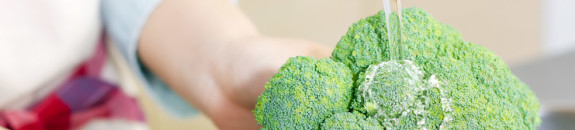
Yes, always wash your produce prior to consumption under running tap water. Remember to wash your hands with warm water and soap for at least 20 seconds before and after handling fresh fruits and vegetables.
What’s the best way to store my produce?
Store fresh vegetables in the crisper or produce drawer of your refrigerator immediately after purchasing. The ideal storage temperature is 4c to 6c, so check your fridge to make sure it’s within that range.
What is ethylene and does it really affect the storage life of my produce?
Ethylene is a natural plant hormone that affects the growth, development, ripening, and aging of all plants. It’s released in small quantities by most fruits and vegetables, which accelerates the ripening process.
Different types of fruits and vegetables release different levels of ethylene. Fruits (bananas, apples, tomatoes) typically give off more ethylene than vegetables, so it’s important to keep fruits and vegetables in separate drawers to avoid discolouration, bruising/spotting and decay. Lettuce is particularly susceptible to ethylene, and too much of it will cause wilting and decay.
How do I choose the best fresh produce?
Prior to purchasing, always inspect fresh produce items to make sure they are not discoloured, wilted, mushy or soggy. Before consuming fresh produce, visually check the product for signs of decay, excessive wilting, rotting or slime. These are your best indicators that the product is no longer edible.
Are Oakley’s products irradiated or sprayed with preservatives?
No, our produce is not irradiated or sprayed with any preservatives. They are grown using the highest quality seeds available, harvested at optimal freshness, packed and chilled to remove heat from the product, and then shipped directly to our marketing partners.
What precautions can I take to prevent food-borne illness at home?
To minimize the spread of food-borne illness in the home, care should be taken in the handling of food. Do not use cutting boards and equipment used for raw meats and poultry without cleaning between uses. Raw produce should always be washed before use. Remember to always wash hands and counter-tops before and between uses. People who are sick should not handle any food that others will also be consuming.
Got a question that isn’t answered? Email us and we will do our best to get you the information you need