Pumpkin
Pumpkin is an annual crop, so that means it can only be grown once a season. Therefore, we plant in the spring and harvest in the autumn. This means it needs to be stored, but have no fear, we keep them in controlled storage so that they stay fresh and tasty for you.
Pumpkin stores well and has great flavour, in fact, we harvest two varieties which are grown specifically for their sweetness and flavour
About Oakley's Pumpkin
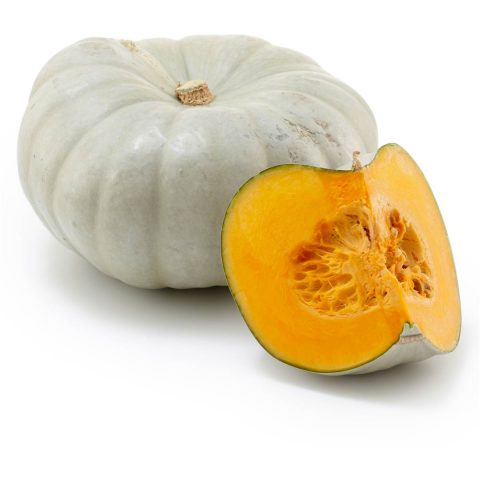
The terms pumpkin and squash are often used interchangeably. Pumpkin generally describes winter squash which are hard-skinned, hard-fleshed mature fruit.
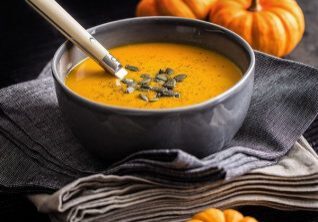
Rob loves it in winter especially when his daughter, April, makes him creamy pumpkin soup.
Pumpkin is an annual crop, so that means it can only be grown once a season. Therefore, we plant in the spring and harvest in the autumn. This means it needs to be stored, but have no fear, we keep them in controlled storage so that they stay fresh and tasty for you.


How to store:
Once cut, remove the seeds, wrap in plastic film and refrigerate.
Nutritional value:
Pumpkins and squash are an excellent source of vitamin A, containing high levels of the pro-vitamin A carotenes (and alpha-carotene, beta-carotene, beta-cryptoxanthin) which the body converts to vitamin A. Lutein and zeaxanthin are also found. The brighter and stronger the colour of the flesh, the more carotenoids the pumpkin will contain. Some vitamin C, potassium and fibre are also supplied in useful amounts. Pumpkin is surprisingly low in calories, containing less than vegetables of similar texture like kumara, parsnip and potatoes.
When you can get it:
Oakley's pumpkins are available in season from April to December annually.
How to prepare:
Pumpkin and squash are interchangeable and can be used in the same recipes. Some varieties have very tough skins which are difficult to cut. Often it is easier to cook the pumpkin with the skin on and then remove the flesh, this is easy in the microwave. If they are whole, pierce the flesh well before you cook them, otherwise they’ll explode. Alternatively, roughly chop and boil or microwave the pieces until soft.
Ways to eat pumpkin:
Traditionally roasted, pumpkins can also be used in soups, flans, pies, be baked and stuffed, or made into moist cakes and breads. Baked, steamed, sauteed, steamed or mashed, they make a delicious side vegetable and are particularly enhanced by nutmeg. Cooked and cooled they are also good in a salad.