Broccoli
Broccoli belongs to the Brassica family of vegetables which includes; broccoli, cauliflower, cabbage, brussels sprouts, broccoflower, Asian varieties of cabbage and broccoli, turnips and swedes.
Oakley's Broccoli
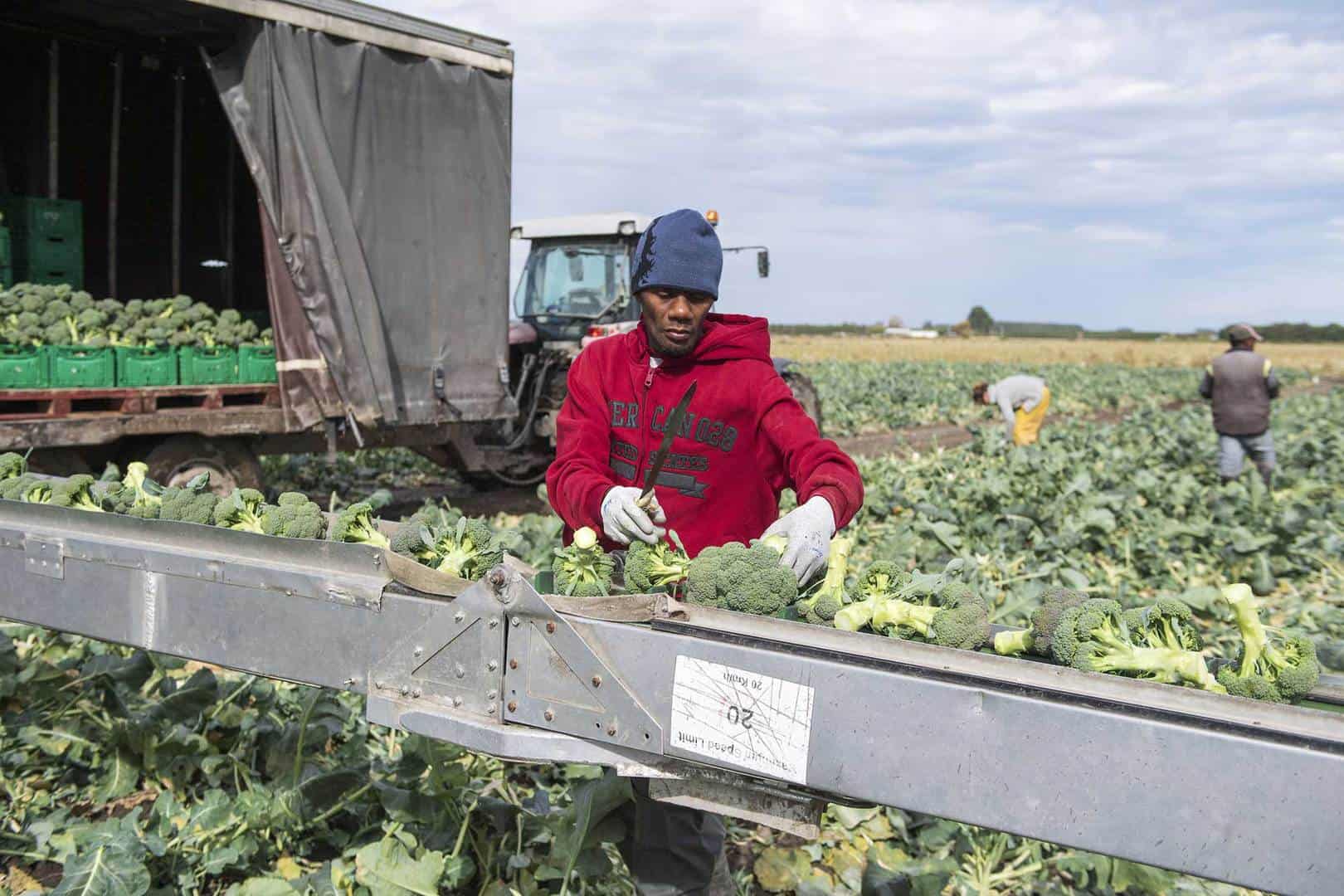
Here at Oakley's, we love our broccoli and we love our customers, so what was the natural next step? Having two production sites to consistently grow good product every season, all year! This way, we can always be growing and selling the freshest and tastiest broccoli on the shelves. You can rest assured our broccoli is delivered to the supermarkets frequently for the best fresh quality broccoli year round.
One of our two sites is based in Amberley, on a river terrace on the south bank of the Waipara river, and our second site is in Southbridge, in a very fertile area on the north side of the Rakai River near the sea.
Broccoli belongs to the Brassica family of vegetables which includes; broccoli, cauliflower, cabbage, brussels sprouts, broccoflower, Asian varieties of cabbage and broccoli, turnips and swedes.

When you can get it:
Oakley's broccoli is available all year round.
What to look for:
Choose compact bud clusters with no yellowish or large open buds. Heads should be firm and look fresh.
How to store:
Run cold tap water over your broccoli and put in a plastic bag before refrigerating. Your fridge is a dehydrator and your broccoli needs to be kept cool and hydrated to stay fresh.
Nutritional value:
Broccoli is one of the most nutritious vegetables – it is often referred to as the ‘nutrition powerhouse’. It’s an excellent source of antioxidants, vitamin C, fibre, folate and also supplies calcium, iron, vitamins E and A, and potassium. Broccoli is a rich source of phytochemicals, including glucosinolates, carotenoids, and phenolic compounds. Sulphoraphane, a compound which is formed from broccoli glucosinolates when broccoli is cut or chewed, has been found by scientists to inhibit the development of some cancers.
How to prepare:
Trim the stalks and divide the heads into evenly sized portions. You can eat the stalks – simply leave them attached to the florets. Alternatively the stalks can be removed and cooked separately, slice them finely and use them in stir-fries and soups.
Broccoli is usually eaten cooked; however, the key is to avoid prolonged cooking as many of the nutritional assets are destroyed. Aim for tender and still slightly crisp vegetables; you will find them significantly better in terms of taste, texture and nutrition. Cooking methods such as steaming, microwaving and stir-frying are ideal as they cook foods for a short time in a small amount of water.
To blanch simply place portions in boiling water for 1 – 2 minutes, drain and cool under cold running water. Blanching improves taste, colour and texture and maintains nutritional value.
Ways to eat broccoli:
Broccoli has many uses – cooked, raw or lightly blanched – the serving possibilities are endless. From salads, pasta dishes, omelettes, quiches and soups to simple accompaniments, broccoli has got to be one of the most versatile vegetables.