

Our potatoes are mainly grown in Waimakariri sandy silt loams that are naturally fertile and free-draining, some of the best soil for potatoes to grow and produce great flavour.
Our Potatoes
-
 Quick View
 -
 Quick View
 -
 Quick View
 -
 Quick View
 -
 Quick View
Types of Potatoes
If a potato does not perform how you expected, you may have selected the wrong type, while most potatoes can be used in a number of ways, some are better suited than others.
Waxy potato: well suited for boiling and having in salads as they don’t break up and have a waxy type of texture when cooked.
Floury potato: will break up when boiled but are well suited for roasting and baking, even mashing due to a floury type texture when cooked.
All-purpose potato: fits more in the middle between waxy and floury and is okay for most cooking methods.
In the Oakley’s range, the Golden Gourmets and Petites are all purpose spuds.
Potato flavour is to do with the variety and also the soil that it is grown in. Our potatoes are mainly grown in waimak sandy silt loans that are naturally fertile and free draining, some of the best soil for potatoes to grow and produce great flavour. The weather patterns where the potatoes are grown also affect the outcome of the potatoes flavour.
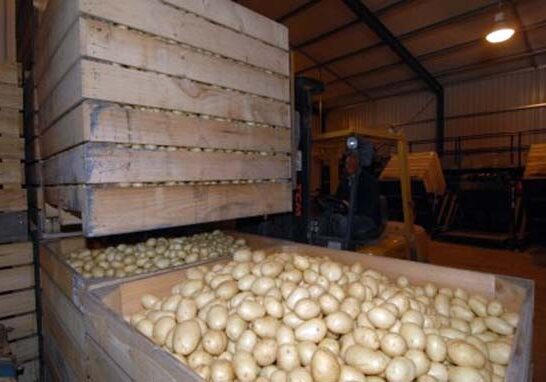
Our Potato Range:
- Golden Potato
- Baby Golden Gourmet 1.5kg
- Golden Gourmet 2.5kg
- Agria Pam's Fresh Express Golden 2.5kg
- White Potato
- All Purpose White Pam's Fresh Express 2.5kg, 4.0kg
- Gourmet White 1.5kg
- Red Potato
- Pam's Fresh Express Range All Purpose Red 2.5kg, 4.0kg
Why people love Oakley's Potatoes
What to look for:
Choose potatoes that don't have any cuts, bruises, green patches or shoots. Sometimes you may choose a smooth looking potato over a misshapen one and assume that it is a better product. This is not necessarily the case as some varieties characteristically have skins which are netted or have deeper eyes in them. A potato does not have to look good to cook brilliantly!
Buy potatoes by cooking use. These potatoes will have been cook tested by the growers or packers and will cook according to the packaging. They will be marked as for ‘boiling’, ‘salads’, ‘wedges’ or ‘baking’, for example. For best results select the right potato for the job.

Nutritional value:
The potato has been described as a nutritional goldmine. They are a great fuel food to power your body and provide a wealth of nutrients, especially vitamin C and potassium. Vitamin C in potatoes is very important as New Zealanders get around 30% of their daily vitamin C requirement from one serve of potatoes. Potatoes are a valuable source of B group vitamins, particularly B6, thiamin and niacin. Potatoes are also a good source of fibre and they contain some iron and magnesium. They are high in starch so will stop you feeling hungry for a long time. Antioxidants present in potatoes are phenolic acids, vitamin C and in yellow fleshed or red skinned varieties – carotenoids and anthocyanins respectively. Potatoes are also a source of high quality protein.
Potatoes are not fattening, however some cooking and preparation methods are!
How to store:
Store potatoes in a well-ventilated cool dark place. Place them gently in your storage area because even though they look tough they do bruise easily. A heavy paper bag or cardboard box makes a good storage container.
When potatoes are exposed to light they can develop a green colour resulting in chlorophyll formation in the surface layers. Associated with this is the formation of a toxic alkaloid, solanine. The amount of green pigment depends on the intensity of the light, length of exposure and age of potato. New potatoes are really susceptible to greening. Some varieties have quite a yellow flesh so don’t confuse this with greening. If you do purchase potatoes with lots of greening, return them to your retailer. If there are small amounts of greening simply peel or scrape away the greening and use the potato normally.
Rob recommends storing your spuds in the fridge as the pantry is usually too warm and will encourage sprouting. Larger bags that don’t fit in the fridge can be kept on the concrete floor in your garage out of the light.
How to prepare:
When possible, don't peel your potato as most of the antioxidants and fibre are just under the skin. Leaving the skin on will also help prevent water soluble vitamins leaching out during cooking.

Ways to eat potatoes:
There are many ways to cook potatoes – the serving suggestions are endless! You can eat them baked, mashed, boiled, sauteed, scalloped, as wedges, potato skins, roasted or fried, added to soups, in salads and the list goes on.
Check out our recipes for some ideas.


